
Log in
Karelia
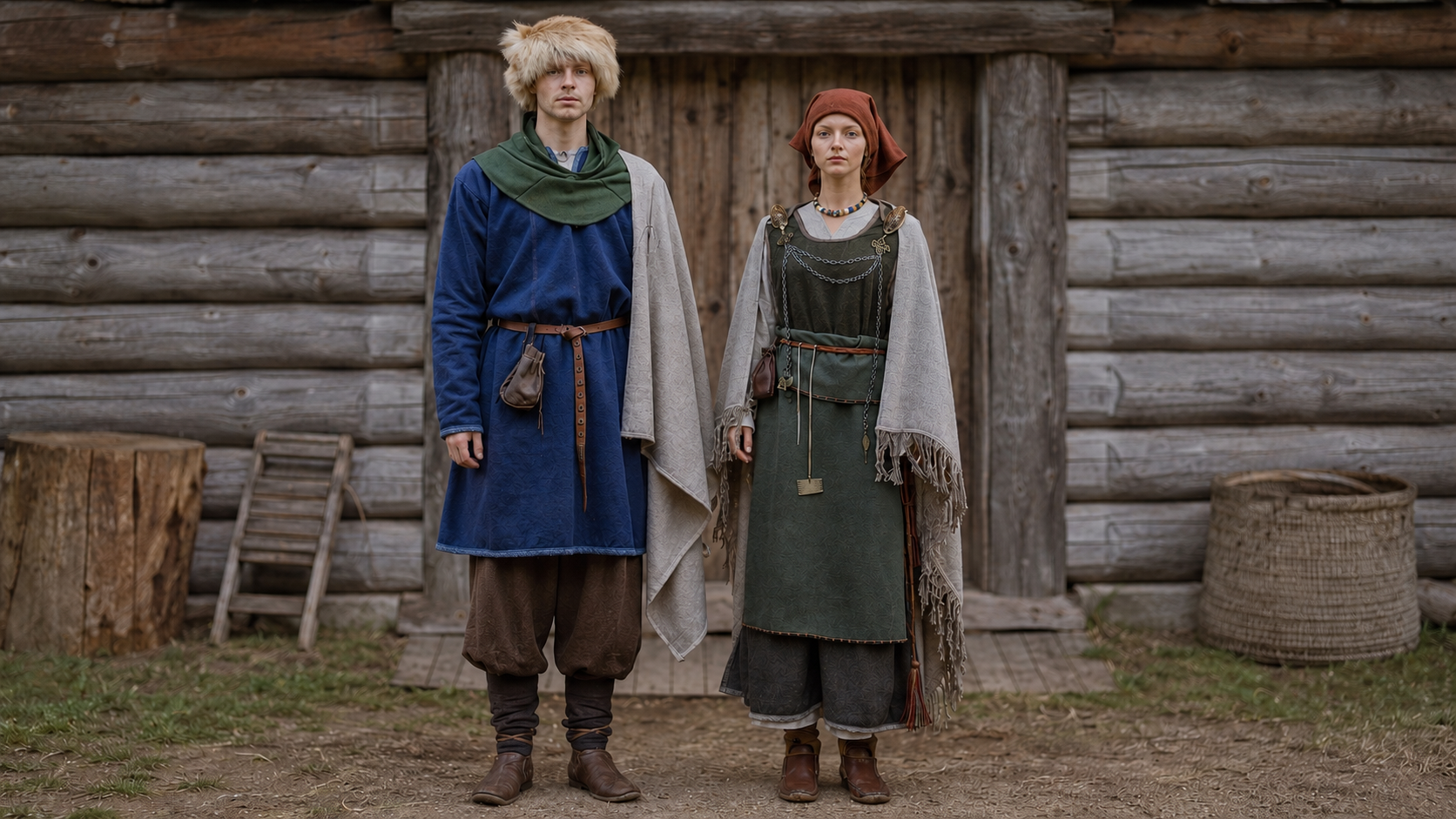
About the People
Self‑designation: Karyalainen.
History
The earliest mentions of the Karelians (the Karelians‑Lyudiks) date back to the 9th century AD, appearing in Scandinavian sagas and in accounts by Arab travelers. Most likely, the ethnogenesis of the Karelians began in South Karelia and southeastern Finland and gradually spread northward across the territory of modern Karelia. In the first half of the 2nd millennium, the Karelians found themselves squeezed between Novgorod, the Yem people, and the Swedes, and were forced to participate in military conflicts on the side of Novgorod from the 12th to the 14th centuries.
Antropology
Variations of anthropological types include the eastern Baltic type, the proto‑Lappoid type, and variations of the Atlanto‑Baltic race: the “Scandinavian” and the western Baltic types.
Language
The Baltic‑Finnic subgroup of the Finno‑Ugric branch of the Uralic language family, with three main dialects: Karelian, Livvikovian, and Lyudikovian.
Territory
The original area of Karelian settlement can be considered the Karelian Isthmus. Early chronicle sources identify the territories of the main Karelian settlement area around Lake Ladoga (primarily to the west, north, and east). The Tver group of Karelians occupies the territory of the Tver region.